Pests and diseases have been tremendous nuisances for the world's farmers and pose significant threats to agricultural production in the Philippines, especially in regions such as Davao del Sur. Crops such as bananas, rice, coconuts, and a variety of fruits and vegetables abound in this province with a vibrant agricultural landscape. However, these crops are constantly under pressure from pests and plant diseases that can take a toll on crop yields and even farmers' very way of living.
In Davao del Sur, banana plantations are highly susceptible to Fusarium wilt, a soil-borne fungus that causes plants to wilt and die, resulting in full losses. The rice fields are mostly exposed to pests such as the tungro virus and brown planthoppers, which lead to crop failure and decrease the quality of the products. Coconut farming is also affected by the coconut rhinoceros beetle, a destructive pest that damages the trees and restrains coconut production. These problems make it important for farmers to find effective and sustainable methods of control of pests and diseases to ensure food security, preserve income, and maintain the long-term health of the farms. The Internet of Things has brought about an innovative solution to these problems.
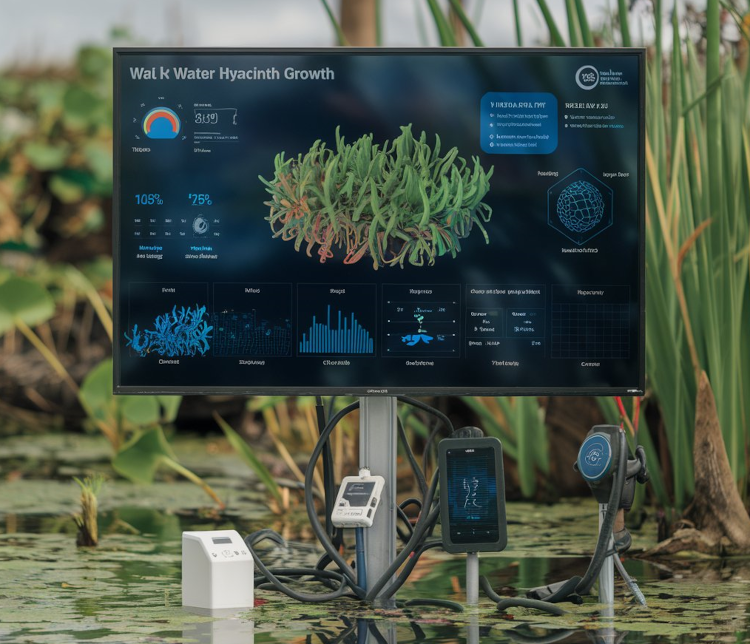
Well, IoT powers the use of sensors and drones along with a smart monitoring system to better detect, prevent, and control pests and diseases in an agriculturally precise and efficient manner. These allow for proactive responses that make intervention more targeted and effective and can reduce harmful chemicals. The IoT system provides real-time data along with predictive analytics, offering early warning signs of pest infestations or disease outbreaks before they hit widespread proportions. This data-driven approach not only safeguards crop yields but also promotes sustainable farming practices by reducing the environmental impact of traditional pest control methods.
How IoT Can Transform Pest and Disease Control
IoT technology provides a groundbreaking approach to pest and disease control by enabling real-time monitoring, precise interventions, and data-driven decisions. This transformation unfolds across multiple stages of the farming process:
1. Early Detection and Prevention .
There are IoT sensors deployed in fields or greenhouses that monitor environmental conditions like temperature, humidity, and soil moisture. Such conditions frequently create ideal breeding conditions for pests or trigger the onset of diseases.
For example, in banana plantations, specific sensors can detect soil conditions conducive to Fusarium wilt, alerting farmers to take preventive action before symptoms become visible. In rice fields, sensors monitor water levels and temperatures to predict outbreaks of the tungro virus, allowing for timely mitigation strategies like crop rotation or selective pesticide use.
With early threat identification, IoT can reduce the impact, thereby reducing the requirement for much chemical treatment that has the potential to harm the environment.
2. Precision Monitoring with Drones
Advanced imaging technologies equipped on drones include high-resolution cameras and thermal sensors that can survey an entire large farm in a fraction of the time needed for manual surveys. Such drones can spot anomalies, such as infestation by pests or diseased plants, from up in the air even in areas difficult to reach.
For instance, in coconut plantations, this drone can take aerial photographs that can help identify signs of rhinoceros beetle infestation on the tops of trees. These photos are then used to mark out infested areas and therefore help particularize interventions instead of spraying the whole farm with broad-spectrum pesticides.
3. Data-Driven Insights and Forecasting
The IoT system collects and analyzes data from sensors, drones, and weather stations. This provides actionable insights into pest behaviors, disease cycles, and environmental patterns.
Farmers can use predictive models to anticipate potential outbreaks. For example, when IoT data indicates high humidity and constant temperature levels that favor fungal diseases, the farmer would apply preventive bio-fungicides or reschedule irrigation.
These insights can also help the timing of and the quantitative amount applied in pesticides, thereby ensuring effective control with minimal wastage and environmental impact.
4. Automated Pest and Disease Management
IoT extends beyond detection and prediction to include automated solutions for pest control. For example, smart traps use pheromones to attract and eliminate pests like coconut beetles. These traps send real-time data to farmers about the density of pest populations, enabling them to make decisions on whether more steps need to be taken.
Similar to this, the use of automated drones can deploy biological control agents, including predatory insects, in targeted areas. The emphasis on using chemical pesticides reduces and shifts toward sustainable management of pests.
5. Integrated Farm Systems
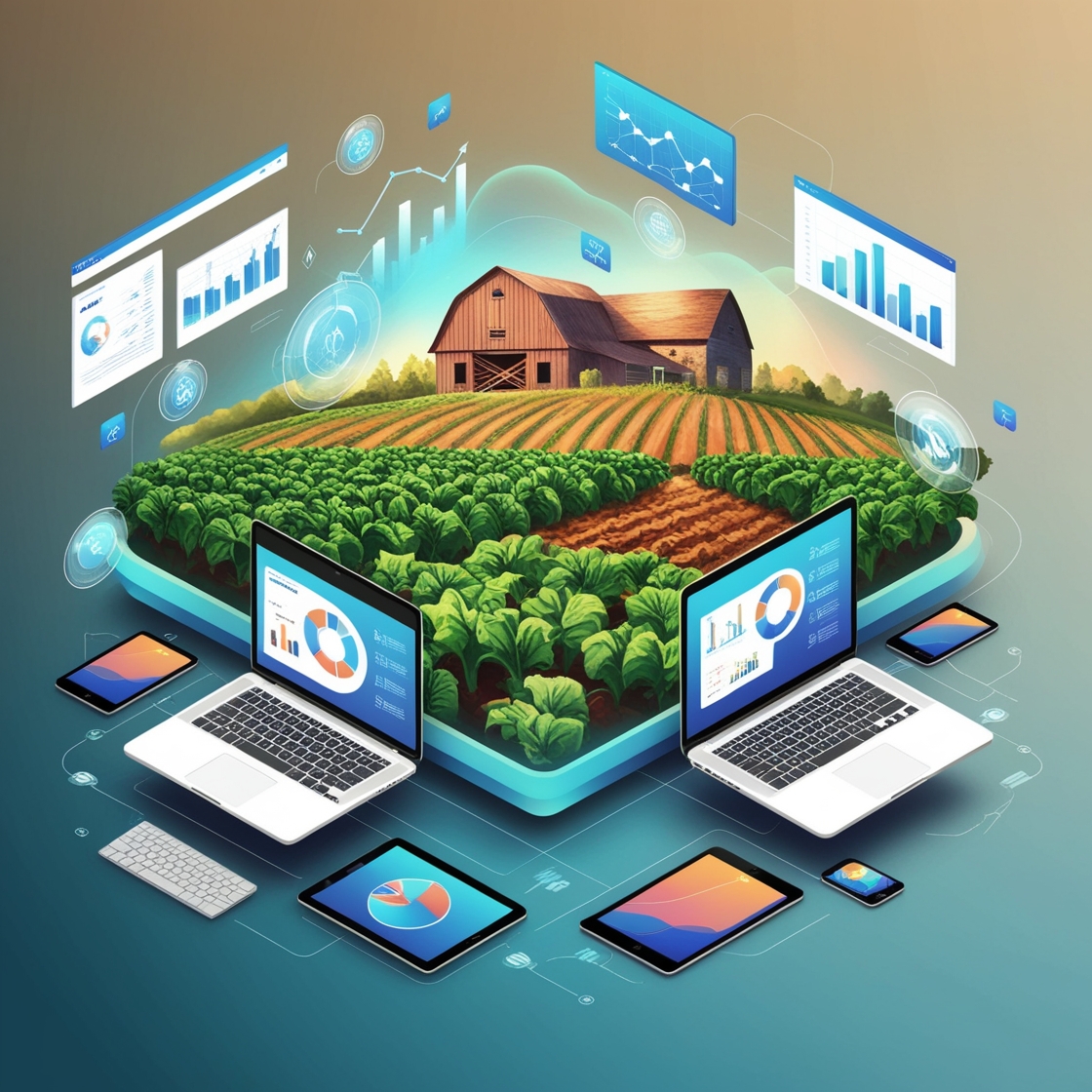
The integration of IoT with a unified farm management system will provide farmers with an all-in-one platform to access, observe, and monitor every module of pest and disease control. It coordinates data from diverse sensors, drones, weather stations, and so forth, along with producing alerts, recommendations, and detailed reports.
For instance, an integrated system could inform a banana farmer of growing soil moisture levels that might threaten the roots by rot, while simultaneously suggesting appropriate treatment. This connectivity streamlines decision-making and improves overall farm efficiency.
Sample Projects and Apps for Pest and Disease Control in Davao del Sur
Detailed implementations of specific projects and applications can bridge the gap between traditional farming practices and modern technology to promote the adoption of IoT-driven solutions in Davao del Sur. Below are expounded ideas explaining their processes, technologies, and potential outcomes:
1. Smart Banana Plantation Monitoring System
Bananas are a staple crop in Davao del Sur, but the health of a plantation is threatened by diseases such as Fusarium wilt, also known as Panama disease. The Smart Banana Plantation Monitoring System, with IoT, can help revolutionize disease management.
How it Works:
- IoT Sensors: Soil sensors scattered across the plantation gather information regarding moisture content, pH balance, and temperature. Higher moisture in the soil promotes fungal activity.
- Drones: AI-enabled drones perform aerial surveys to detect discoloration or wilting leaves, early signs of disease. These drones can scan large areas in minutes, providing geotagged maps of infection hot spots.
- Mobile Integration: Farmers receive instant alerts through a smartphone app, providing specific recommendations such as soil treatment or isolating infected plants, ensuring targeted actions.
Expected Outcomes:
- Early detection averts disease spread and protects yield, and revenue.
- Low pesticide use increases savings and reduces the environmental burden.
- Better quality of bananas increases the competitiveness in markets and adds export value.
2. IoT-Based Rice Pest Prediction App
Overview:
Davao del Sur rice farmers struggle with problems such as tungro virus and brown planthoppers. This app can work in favor of farmers by taking timely action by looking at real-time data.
How It Works:
- IoT Devices: Sensors will monitor field conditions such as humidity, temperature, and soil nutrients. A sudden surge in humidity and moderately warm temperatures may signal ideal breeding conditions for pests like brown planthoppers.
- Historical Data Integration: The app harnesses the power of machine learning to study past outbreaks and combine this with real-time field data to predict pest behavior.
- Recommendations: It sends out alerts to farmers on applying eco-friendly pesticides, crop rotation, or altering irrigation schedules.
Expected Outcomes:
- Optimized pesticide application, only applying when it is necessary to do so, cutting down on costs and residues.
- Improved yield by preventing pest outbreaks before they escalate.
- Enhanced farmer knowledge about environmental and pest behavior dynamics.
3. Automated Coconut Pest Management System
Overview:
Coconuts, a vital crop in Davao del Sur, are highly susceptible to rhinoceros beetles and other pests. IoT solutions bring automation and precision to pest control efforts.
How it Works:
- Smart Traps: IoT-enabled pheromone traps are placed in coconut farms. It attracts pests and records the density of captured beetles by transmitting data to a cloud-based system. - Drone Deployment: Autonomous drones are equipped with sprays, apply biological pest control agents, or introduce fungus-based bio-pesticides directly to affected areas.
- Centralized Dashboard: A central dashboard aggregates pest population data and trends and demonstrates pest cycles and farm health.
Expected Outcomes:
- Quick response times to outbreaks of pests.
- Reduces dependence on chemical treatments and fosters sustainable agriculture.
- Data helps farmers make informed decisions by coming up with long-term management plans for pests.
4. Regional Agricultural IoT Data Hub
Overview:
Farming challenges across locations in Davao del Sur differ. A centralized data hub can collect information from these farms with diversified types, thereby providing for a knowledge-sharing ecosystem.
How it works:
- Internet of Things Data Collection: Each farm has sensors and drones which send information relating to pests, diseases, and environmental conditions to the central data hub.
- Cloud Computing: Advanced analytics process this data to identify trends, such as an uptick in pest populations in specific areas or seasonal disease patterns.
- Community Access: Farmers access insights via an app, receiving localized recommendations tailored to their crops and conditions.
Expected Outcomes:
- Improved coordination among farmers for regional pest control campaigns.
- Enhanced regional productivity through collective data-driven farming.
- Enabled government support by demarcating zones of priority intervention areas.
5. Livestock Health Monitoring App for Disease Control .
Overview:
For farmers raising livestock with crops, IoT wearables can prevent disease outbreaks, improving herd health and productivity. .
How it Works:
- IoT Wearables: Wearables attached to the animal measure their vital signs-the heart rate, body temperature, and activity levels. When and if abnormalities in these readings are like fever, health issues are potentially present.
- AI Analysis: The app analyzes these readings to identify signs of diseases like foot-and-mouth disease or heat stress.
- Alerts in Real-time: Farmers immediately receive notifications, enabling them to isolate and treat sick animals before the spread of illness occurs.
Expected Outcomes:
- Lower losses of livestocks and concomitant income loss. This is attributed to the better care taken. The productivity of animals increases (more milk or meat produced). It will be more sustainable in terms of animal management.
6. Localized Training and IoT Demo Farms
Also, awareness and training should be introduced to farmers in Davao del Sur regarding IoT technology. Demo farms work as living laboratories where the knowledge is captured through real-time action.
How it Works:
- Partnerships: Agricultural cooperatives, local governments, and tech providers set up IoT-enabled demo farms.
- Showcasing Technology: Farmers can see the practical implementation of IoT systems in real-life situations, such as automated irrigation, pest-monitoring drones, and smart traps.
- Skill Development: Workshops held on-site train farmers to operate IoT devices and interpret data insights effectively.
Expected Outcomes:
- Accelerated adoption of IoT technology among local farmers.
- Enhanced farmer confidence through hands-on learning.
- A foundation for scaling IoT projects across the region.
These expanded project ideas show how the IoT can solve some of the specific problems that Davao del Sur's agricultural sector faces. They both take into account crop and animal health promotion while allowing for collaboration and training for sustainable, technology-led farming that fits the local niche.
IoT-driven pest and disease control is a long list of benefits for farmers in Davao del Sur. It helps safeguard crops early, at the very point of infestation or infection, thereby helping them stay healthy and abundant during harvest time. This minimizes the waste of expensive pesticides and their applications by optimizing pesticide use. The reduced application of chemicals contributes to
environmental sustainability.
- Economic Resilience: Healthy crops allow farmers to cope with market fluctuations and make their living much better.
A Brighter Future for Farming** with IoT-driven Pest and Disease Control
IoT-driven Pest and Disease Control can change the face of farming in Davao del Sur, and safeguard crops against diseases and pests while ensuring that this farming is sustainable. As farmers accept these technologies, they are overcoming long-standing problems, increasing productivity, and securing a brighter future for the region's agricultural sector.

Categories
Recent posts
Smart Farming in Davao del Sur: The Role ...
19 Nov 2024
Secride is Open for Business Partner in ...
27 Nov 2024
Data Analytics and LLM AI: Leveraging ...
27 Nov 2024