Data Analytics and LLM AI: Leveraging Wave Detection Data for Advanced Modeling in Marine Environments
Introduction
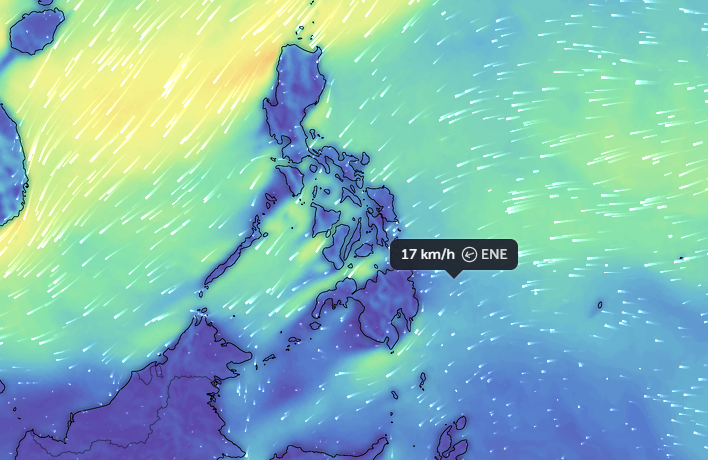
Marine environments are inherently dynamic, with wave heights and patterns playing a crucial role in shaping the safety and efficiency of maritime activities. In coastal regions such as Barobo, Surigao del Sur, real-time wave data is vital for the operations of fishermen, boat operators, and local authorities. While traditional monitoring systems provide fundamental insights, advancements in data analytics and Large Language Model (LLM) AI technologies have opened new frontiers for predictive modeling and decision-making in marine contexts.
This article explores how data analytics and LLM-based AI systems can harness wave detection data to revolutionize maritime safety and operational planning.
---
Wave Detection Data: A Foundation for Advanced Modeling
Wave height is influenced by a combination of environmental factors, including wind speed, wind duration, and fetch. Traditional systems provide wave height data through buoys, satellite monitoring, and coastal radar. However, these systems often deliver isolated datasets, lacking the analytical depth required for advanced predictive insights.
By applying data analytics, these datasets can be transformed into actionable insights. Statistical methods and machine learning algorithms can identify patterns, trends, and anomalies in historical and real-time wave data. This forms the basis for developing robust predictive models, which can forecast wave heights with greater accuracy and timeliness.
---
The Role of LLM AI in Marine Predictions
Large Language Models (LLMs) have primarily been used for natural language processing tasks. However, their utility extends beyond textual data into the realm of advanced predictive analytics. When integrated with wave detection datasets, LLMs can analyze complex environmental variables and provide comprehensive predictions, offering several advantages:
1. Multimodal Data Integration: LLMs can process various data types—numerical, textual, and even visual—allowing for a more holistic analysis of marine conditions. For instance, LLMs can combine wave height data with meteorological reports and satellite imagery to enhance prediction accuracy.
2. Real-time Forecasting: With real-time data ingestion, LLMs can generate immediate forecasts, helping maritime operators respond proactively to changing conditions.
3. Scenario Simulation: LLMs can simulate different wave scenarios based on varying environmental conditions, providing stakeholders with risk assessments for planning safe maritime operations.
4. Enhanced Decision Support: By offering human-readable explanations of predictions, LLMs support decision-makers in understanding the rationale behind specific forecasts, leading to more informed choices.
---
Applications in Maritime Operations
Integrating data analytics and LLM AI-based systems into maritime operations offers transformative benefits across multiple sectors:
1. Fishing Industry
Fishermen can leverage predictive wave data to identify safe and optimal fishing times. LLM-based systems can analyze wave patterns alongside fish migration data, enabling fishermen to maximize their catch while minimizing risk.
2. Tourism and Transportation
For boat operators involved in tourism or passenger transport, predictive insights ensure safer voyage planning. Real-time forecasts help mitigate disruptions caused by rough seas, improving customer experience and operational reliability.
3. Disaster Management
Extreme wave events, such as tsunamis and storm surges, pose significant threats to coastal communities. LLM-based systems can model these rare but catastrophic events, enhancing the preparedness and response strategies of local authorities and disaster management agencies.
4. Coastal Infrastructure Management
By predicting wave impacts, these systems can aid in the design and maintenance of resilient coastal infrastructure. This ensures better protection of ports, seawalls, and other critical assets.
---
Challenges and Opportunities
Despite their potential, integrating data analytics and LLM AI in marine environments presents challenges:
- Data Quality and Accessibility: High-quality, real-time data is essential for accurate modeling. Many coastal regions lack the infrastructure for continuous data collection.
- Computational Resources: LLMs require substantial computational power, which may be a barrier for resource-constrained communities.
- Interdisciplinary Collaboration: Effective implementation demands collaboration between marine scientists, data analysts, and AI specialists.
However, these challenges also present opportunities for innovation. Investing in data infrastructure and fostering partnerships between academic institutions, governments, and private sectors can accelerate the adoption of advanced modeling systems.
---
The fusion of wave detection data with data analytics and LLM AI technologies represents a paradigm shift in how we understand and interact with marine environments. By providing accurate and actionable predictions, these systems can significantly enhance maritime safety, boost operational efficiency, and strengthen disaster preparedness.
As coastal communities like Barobo embrace these innovations, they stand to benefit from a new era of data-driven maritime operations, ensuring safer and more sustainable engagement with the sea.

Categories
Recent posts

Smart Farming in Davao del Sur: The Role ...
19 Nov 2024
Secride is Open for Business Partner in ...
27 Nov 2024
Data Analytics and LLM AI: Leveraging ...
27 Nov 2024