Davao del Sur, in the southern Philippines, is known for its rich lands and a prospering agricultural sector. The major plantations that export worldwide, like the massive stretches of banana plantations as well as smaller-scale farms growing rice, coconuts, and corn, make agriculture the lifeblood of this province. However, like most agricultural centers, Davao del Sur challenges include the devastation it experienced because of climate change, scarcity of resources, and the need to enhance productivity in order to keep abreast with demands in the market.
Enter the Internet of Things, a technological innovation that could transform farming in Davao del Sur into a smarter, more efficient, and sustainable industry.
Challenge in Agriculture in Davao del Sur
The region's farmers are not strangers to adversity. Droughts have become the order of the day. Sometimes, these droughts coincide with El Niño episodes, making water scarcity a critical issue for crop irrigation. Sudden onset of typhoons can severely damage the harvest. Banana plantations, a critical part of the regional economy, continue to face periodic attacks from diseases and pests.
Despite these challenges, Davao del Sur has demonstrated flexibility and perseverance. IoT provides an opportunity to improve this adaptability by equipping farmers with data-driven insights and tools tailored to their needs.
IoT Applications in Davao del Sur
1. Precision Farming in Banana Plantations
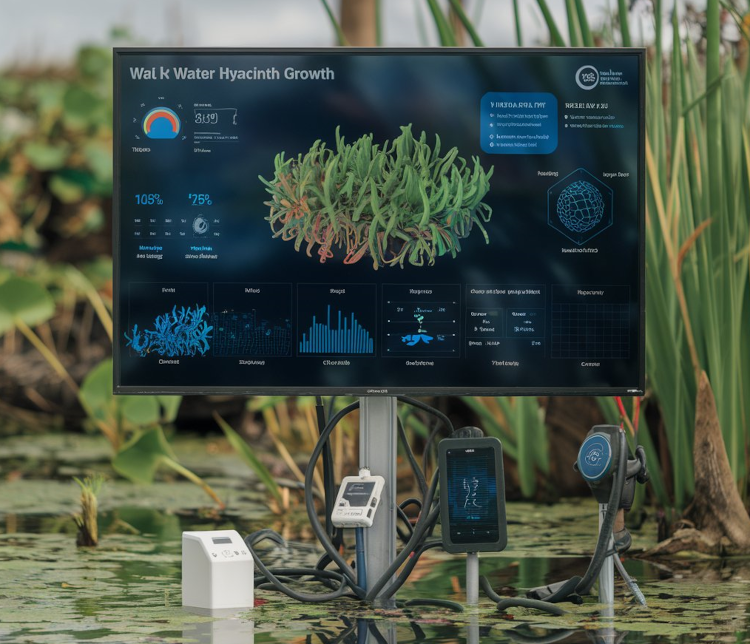
One of the Philippines' top producers of bananas is Davao del Sur, and IoT technology can help optimize production. Sensors can monitor the soil for healthy nutrient levels ideal for banana plants. Meanwhile, drones with cameras can scan plantations to quickly identify which areas are heavily infected by diseases such as Fusarium wilt or by pests.
For example, IoT sensors of a smart irrigation system can save water by functioning only when the soil moisture falls below the predefined threshold, which is very useful during dry spells. Such technologies not only boost production but also serve sustainable productivity.
2. Climate-Smart Rice Farming
Rice farmers in the region often struggle with fluctuating weather patterns. IoT-powered weather stations can provide hyper-local weather forecasts and real-time updates on temperature, rainfall, and humidity. These insights help farmers plan planting and harvesting schedules, reducing the risk of weather-related losses.
Additionally, IoT-enabled water management systems can prevent over-irrigation in rice paddies, conserving water resources while ensuring optimal crop growth.
3. Livestock Monitoring in Rural Farms
Many farmers in Davao del Sur raise livestock in addition to cultivating crops. Animal IoT wearables can monitor the animals' health status, reporting any drop in activity level or abnormalities indicative of disease. This enables farmers to act early in checking on the spread of disease and keeping the overall herd healthier.
4. Supporting Coconut Farmers
Another industry of which IoT technologies can benefit is coconut farming. The monitoring of soil salinity and moisture levels by sensors ensures that coconut trees receive the most suitable growing conditions. Drones with automated harvesting systems can also be used to collect coconuts, significantly reducing the physical requirements involved and increasing safety.
Connecting Barriers Overcome
One of the major challenges to IoT implementation in Davao del Sur is connectivity. In the rural communities, it is commonly experienced to have unreliable internet or cellular coverage. Alternative technologies like LoRaWAN, however, can fill this gap. These types of networks are cost-effective and more suitable for transmitting small packets of data from IoT devices in remote areas.
Economic and Social Impact
With the full adoption of IoT in Davao del Sur, it could have very transformative effects both for the individual farm and the region as a whole. Enhanced productivity means that farmers can cut their input costs while having a higher yield, which will translate to better income for their families. Real-time monitoring of crops and livestock reduces losses through pests, diseases, or bad weather.
Moreover, it can encourage the younger generations to view agriculture as a high-tech business and innovative venture. This is of much importance in Davao del Sur since youth, both male and female, are emigrating to urban centers for work, leaving older generations in the agricultural sector.
A Future Vision
Davao del Sur can be at the forefront of implementing IoT for agriculture in the Philippines. Aligning rich agricultural heritage with modern technology could provide farmers with more resilience and sustainability. Success in this transition is ensured by the initiatives both by the local government and by the private sector, such as subsidies on IoT devices or training programs on smart farming.
When IoT takes root in Davao del Sur, the future may hold promises of a future where the agricultural sector can not only thrive but also set an example for others to emulate. From the cornfields of Matanao to the mountainous vistas of Mount Apo, IoT promises a better future for the farming crowd who call this land home.

Categories
Recent posts
Smart Farming in Davao del Sur: The Role ...
19 Nov 2024
Secride is Open for Business Partner in ...
27 Nov 2024
Data Analytics and LLM AI: Leveraging ...
27 Nov 2024