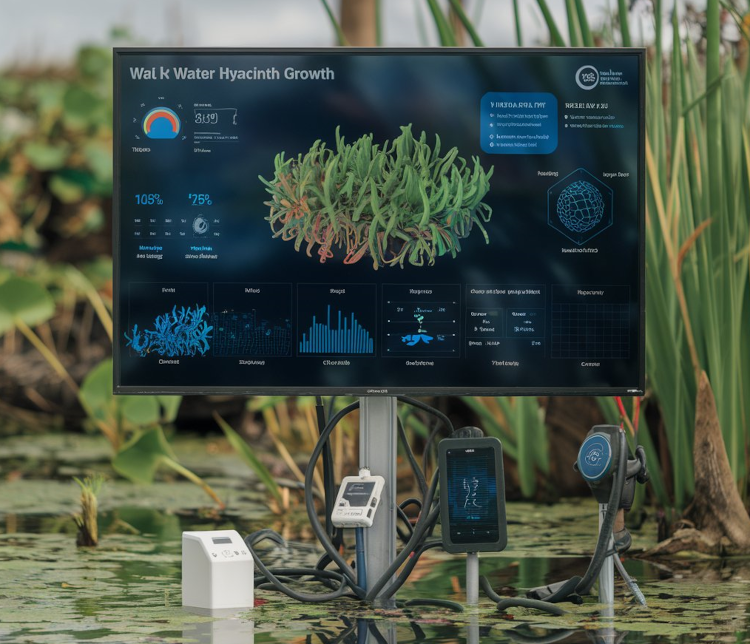
The Philippines is Paving the Way to a Digital Future through Smart Governance
The Philippines is taking strides into the digital era, leveraging technology to address some of the nation’s most pressing challenges. From its vast archipelagic regions to rapidly urbanizing cities, the country is undergoing a transformation under the banner of smart governance. This strategic approach is using technological advancements to enhance decision-making, streamline public services, and foster greater citizen participation. But what exactly is smart governance, and how is it redefining the public sector in the Philippines?
Understanding Smart Governance
Smart governance revolves around the concept of digital-centric public administration. In essence, it is about the strategic integration of technology in government operations to improve resource management, service delivery, and policy execution. The goal is to tackle multifaceted issues such as urban congestion, disaster response, and access to social services more effectively.
In the Philippines, smart governance aligns with initiatives spearheaded by the Department of Information and Communications Technology (DICT), like the eGov PH Super App and the Philippine Identification System (PhilSys). These efforts aim to increase efficiency and inclusivity, ensuring that all citizens benefit from digital advancements. According to Chourabi et al. (2012), "Smart governance integrates technology, people, policies, and resources to support city governance activities," emphasizing the need for interconnected systems that break down socio-economic barriers.
Key Innovations in the Philippines
The Philippines is already showcasing a number of smart governance initiatives:
1. Citizen-Centric Digital Platforms
The launch of the eGov PH Super App in 2023 is a landmark step toward a unified digital interface for government services. This application consolidates a wide range of essential services—tax payments, vaccination records, permit applications—into a single platform, accessible from a smartphone. By simplifying bureaucratic processes, the app has made it easier for millions of Filipinos to interact with the government, reducing inefficiencies and making public services more accessible.
2. Data-Driven Decision-Making
The power of big data is transforming governance in the Philippines. The establishment of the National Government Data Center (NGDC) enables the government to harness real-time data for more informed decision-making, particularly in disaster-prone regions. Predictive analytics is now being used to anticipate the impacts of typhoons, allowing for proactive measures to safeguard communities and allocate resources effectively.
3. System Integration for Streamlined Services
The Philippine Identification System (PhilSys) is a pioneering effort to simplify public administration. By creating a single, unified ID system, the government is reducing redundancies and enhancing security. Interoperability between agencies will enable seamless transactions, minimizing bureaucratic delays and improving the citizen experience.
4. Promoting Transparency and Accountability
Initiatives like Open Data Philippines aim to increase government transparency by granting public access to key datasets. The government is also exploring blockchain technology to ensure the integrity of sensitive records, such as in electoral processes and land registration, bolstering public trust through tamper-proof systems.
Challenges to Implementing Smart Governance
Despite significant progress, the Philippines faces several obstacles in fully realizing the potential of smart governance:
- Digital Divide
Internet access remains uneven across the country, with rural areas lagging behind urban centers in both connectivity and digital literacy. While DICT’s Free Wi-Fi for All program aims to close this gap, progress has been slow, highlighting the need for faster infrastructure development.
- Cybersecurity Risks
Increased reliance on digital platforms heightens the risk of cyber threats. The Philippine government is countering this challenge by implementing robust cybersecurity measures, guided by the National Cybersecurity Plan 2022, to protect sensitive citizen data.
- Resistance to Change
Traditional bureaucratic structures and limited digital skills among government employees pose a barrier to the adoption of digital tools. Effective change management strategies and comprehensive training programs are crucial to overcoming institutional inertia.
Cebu City: A Model of Smart Governance
A prime example of successful smart governance in the Philippines is Cebu City's Smart City Command Center. The center integrates traffic management, disaster response, and public safety operations, relying on data from IoT devices and geographic information systems (GIS). This holistic approach has reduced traffic congestion and enhanced emergency response times, positioning Cebu City as a model for other urban centers.
Strategies for Advancing Smart Governance in the Philippines
To fully harness the benefits of smart governance, the following strategies are recommended:
1. Expand Digital Infrastructure
Accelerating the deployment of national broadband and improving connectivity in rural areas is vital for equitable access to digital services.
2. Enhance Digital Literacy
Training programs for government employees and citizens can improve digital skills, fostering greater acceptance and effective use of new technologies.
3. Strengthen Cybersecurity
Investing in robust cybersecurity frameworks is crucial to safeguarding sensitive data and building public confidence in digital platforms.
4. Public-Private Partnerships
Collaboration with private tech firms can bring innovation, expertise, and resources to the public sector, fostering a dynamic ecosystem for digital solutions.
5. Leverage Emerging Technologies
Adopting advanced tools like AI, IoT, and blockchain can optimize urban planning, disaster response, and secure financial transactions, making governance more responsive.
6. Increase Citizen Engagement
Creating user-friendly channels for feedback and participation ensures that policies reflect the needs and interests of the populace.
The Path Forward: A Tech-Driven Future
Smart governance is not merely a passing trend; it represents the future of public administration in the Philippines. The integration of digital platforms, data-driven policies, and transparent processes prepares the country to face the demands of an increasingly tech-savvy population. The journey involves overcoming challenges like the digital divide and cybersecurity concerns, but with persistent investment in technology, infrastructure, and human capacity, the Philippines can establish a model of governance that is inclusive, effective, and resilient.
In this new era, technology is not just a tool but the backbone of a smarter, more capable nation—ensuring that every Filipino has the opportunity to thrive in the digital age.
References
1. Chourabi, H., Nam, T., Walker, S., et al. (2012). Understanding Smart Cities: An Integrative Framework. Retrieved from [SpringerLink](https://link.springer.com/article/10.1007/s12525-022-00609-0).
2. Philippine Department of Information and Communications Technology (DICT). (2023, March 2). eGov PH Super App. Retrieved from [DICT Official Website](https://www.dict.gov.ph).
3. Cebu City Government. (2024). Smart City Command Center Initiatives. Retrieved from [Cebu City Government](https://www.cebu.gov.ph).
Embracing a tech-driven approach, the Philippines has the potential to set an example in smart governance, making government services more accessible, responsive, and transparent to all its citizens.

Categories
Recent posts

Smart Farming in Davao del Sur: The Role ...
19 Nov 2024
Secride is Open for Business Partner in ...
27 Nov 2024
Data Analytics and LLM AI: Leveraging ...
27 Nov 2024