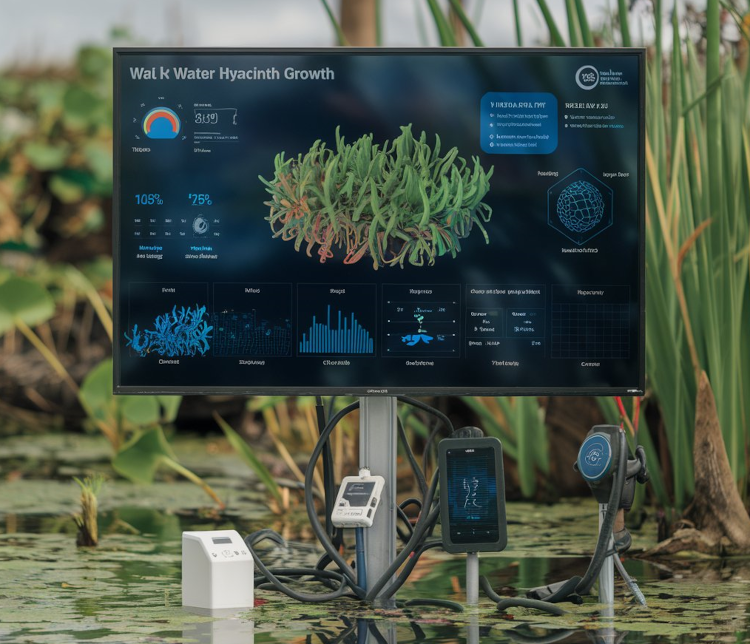
The lush forests of Mindanao, a biodiversity hotspot in the Philippines, are a vital part of the country’s ecological balance. They harbor thousands of tree species that play a critical role in carbon sequestration, water cycle regulation, and wildlife habitat. However, Mindanao faces significant threats, including deforestation, illegal logging, and a lack of comprehensive data about its forest resources. Embracing advanced technologies like blockchain and artificial intelligence (AI) offers a transformative solution to these challenges, enabling precise and efficient tree mapping and conservation strategies.
The Challenge: Navigating the Complexity of Mindanao's Forests
Spanning vast and diverse terrains, Mindanao’s forests present unique challenges for environmental conservation efforts. Accurate mapping of tree populations and forest health is essential for creating effective conservation policies, monitoring biodiversity, and supporting sustainable development. However, traditional methods of tree mapping are hindered by several limitations:
- Resource-Intensive Processes: Manual surveys require significant labor and funding.
- Time Constraints: Collecting and analyzing data is a lengthy process that delays actionable insights.
- Prone to Errors: Human errors in data collection and transcription reduce reliability.
- Scalability Issues: Expanding efforts to cover vast forest areas is often unfeasible with current methods.
The Solution: Synergizing Blockchain and AI
Integrating blockchain and AI provides an innovative and scalable approach to overcoming these challenges. Together, these technologies offer precision, transparency, and community engagement, creating a robust framework for sustainable forestry.
Blockchain: Safeguarding Data Integrity and Incentivizing Participation
Blockchain technology, known for its decentralized and secure data storage, ensures that forest data is tamper-proof and accessible to stakeholders. Key applications include:
1. Immutable Tree Census Records: Tree census data stored on blockchain remains transparent and unalterable, promoting trust among local communities, policymakers, and researchers.
2. Real-Time Tracking: Blockchain enables real-time monitoring of forest resources, deterring illegal logging and improving environmental law enforcement.
3. Community Incentives: Tokenized reward systems can motivate local communities to actively engage in conservation and reforestation efforts.
AI: Revolutionizing Data Collection and Analysis
AI-powered tools enhance the efficiency and accuracy of tree-mapping processes. Core capabilities include:
1. Remote Sensing: AI-driven drones and satellite imagery can survey large areas, identify tree species, estimate canopy cover, and detect illegal logging activities.
2. Predictive Insights: Machine learning models analyze data to forecast deforestation risks and recommend proactive interventions.
3. Species Identification: AI algorithms, trained on extensive datasets, can identify tree species from images, supporting biodiversity assessments.
4. Crowdsourced Data Collection: AI-powered mobile apps enable citizens to photograph and tag trees, turning local observations into valuable data points.
GreenChainAI: A Sample Implementation
GreenChainAI is a theoretical app designed to revolutionize tree mapping and conservation in Mindanao. By merging blockchain and AI technologies, it serves as a blueprint for modern forestry management.
Key Features
1. AI-Powered Tree Mapping:
- Remote Sensing Integration: AI analyzes drone and satellite imagery to classify tree species, measure health, and detect deforestation.
- Citizen Science Module: Users upload photos of trees via a mobile app. AI identifies the species, assigns GPS locations, and enriches the database.
2. Blockchain-Based Data Management:
- Immutable Records: Every tree logged is assigned a unique blockchain ID with details like species, health, and location.
- Tokenized Rewards: Users earn tokens for contributions such as tree mapping, reporting illegal activities, or planting trees.
3. Predictive Analytics:
- AI models forecast deforestation risks, allowing stakeholders to take preventive action.
- Example: The system highlights regions at risk of losing 20% of their forest cover within five years due to logging activities.
Implementation Workflow
Community Engagement:
- Train locals on app usage and AI tools.
- Educate communities about blockchain’s role in safeguarding forests and ensuring transparency.
Technology Deployment:
- Collaborate with tech companies to develop AI models and blockchain infrastructure tailored for forestry data.
- Deploy drones for aerial surveys and create intuitive mobile apps for citizen participation.
Policy Integration:
- Partner with local governments to support data-driven policymaking.
- Establish legal frameworks for data sharing and conservation incentives.
Funding and Collaboration:
- Secure investments from environmental organizations and tech grants.
- Collaborate with NGOs and universities for technical and research support.
Transformative Impact
By adopting apps like GreenChainAI, Mindanao can realize substantial benefits:
- Enhanced Biodiversity Conservation: Comprehensive and accurate data informs targeted conservation efforts.
- Empowered Communities: Tokenized rewards foster local participation in reforestation and tree mapping.
- Data-Driven Policymaking: Actionable insights enable efficient forest management and policy creation.
- Global Recognition: Mindanao can serve as a model for integrating cutting-edge technology in environmental sustainability.
Mindanao’s forests are more than a regional treasure—they are a global asset vital for ecological stability. By blending blockchain’s transparency with AI’s analytical power, stakeholders can ensure that these forests thrive for generations to come. GreenChainAI is just the beginning, offering a practical starting point to showcase how technology can transform forestry management. Mindanao is poised to lead the way in sustainable innovation, demonstrating the power of local action amplified by modern tools.

Categories
Recent posts
Smart Farming in Davao del Sur: The Role ...
19 Nov 2024
Secride is Open for Business Partner in ...
27 Nov 2024
Data Analytics and LLM AI: Leveraging ...
27 Nov 2024